Selling a Rental Property in BC? What Landlords Need to Know About Tenants’ Rights
Selling your rental property can be exciting. Whether you’re freeing yourself from landlord responsibilities or cashing in on increased property values, it’s often a positive financial move. But while it may be good news for you, it can be a source of significant stress for your tenants – especially if they’ve lived in the unit for a long time and are paying below-market rent.
If you’re preparing to sell a tenanted property, understanding your legal obligations and approaching the process with empathy will go a long way in ensuring a smooth transition for everyone involved.
Step One: Communicate Early and Clearly
Before contacting a real estate agent or listing the property, speak with your tenant directly. Being open and respectful sets the tone and helps prevent misunderstandings. Assure your tenant that the sale of the property does not automatically mean they have to move. In many cases, the tenancy continues under the new owner, which is often a relief to tenants.
However, if there’s a chance the buyer intends to occupy the unit or use it for a different purpose, be upfront. Let your tenant know that if their tenancy does end, they may be entitled to compensation—typically one month’s free rent—and that you are happy to provide a positive reference, assuming they’ve been a responsible tenant.
When Can a Tenancy Be Legally Ended?
There are only two legal ways a tenancy can be ended due to the sale of a property:
-
Buyer Plans to Occupy the Unit
The buyer (or their close family member—defined as the buyer, the buyer’s spouse, or the parents or children of the buyer) intends, in good faith, to live in the rental unit. -
Buyer Plans to Use the Property for Another Purpose
This could include major renovations that require the unit to be vacant or another legally valid reason outlined in the Residential Tenancy Act.
In both cases:
-
The buyer must provide the seller with a written request to end the tenancy prior to taking possession of the property.
-
The current landlord (you) may then issue the tenant a Three-Month Notice to End Tenancy which you need to generate using the Residential Tenancy Branch’s web portal. Notices that have been generated using the web portal will have a unique Notice ID in the top left corner. Note: Landlords using the web portal will need to provide their birthdate and the birthdates of related people, like the purchaser and person moving into the rental unit (if applicable). These birthdates are for internal RTB use only and will not be on the generated notice.
-
Alternatively, if the buyer takes possession with the tenancy still in place, they may serve the notice themselves once they become the legal landlord.
Tenants who receive a valid Three-Month Notice are entitled to one month’s rent as compensation, provided the notice is not issued for cause.
Showing the Property: What You Can and Cannot Do
Selling a tenanted property means you’ll need to arrange showings—and this must be handled within the rules of the Residential Tenancy Act (Section 29).
Key Requirements for Entry:
-
You must either obtain the tenant’s express consent (verbal or written) or provide written notice at least 24 hours (and no more than 30 days) in advance.
-
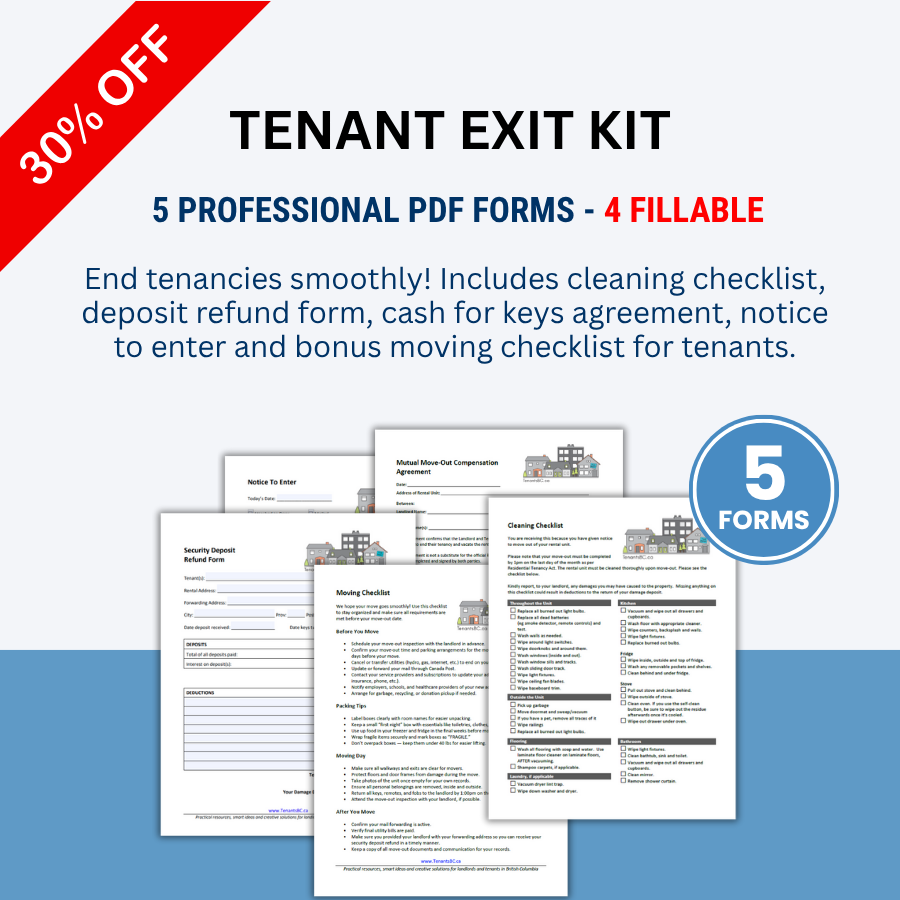
The notice must include the date, time, and reason for entry (i.e., to show the unit to prospective buyers).
Many realtors find it easiest to agree with tenants on a showing schedule—often with phone or text reminders 24 hours before each visit. While tenants may be asked not to be home during showings, this is entirely their choice.
Reasonable Limits and Privacy
You are legally required to respect the tenant’s right to reasonable privacy and freedom from unreasonable disturbance. A blanket notice such as “daily showings between 9am and 6pm” is not considered reasonable. Download our free Notice To Enter form.
Realtors and landlords may access common areas without notice, but not the tenant’s private space unless proper consent or notice is given.
Once proper notice has been served or consent obtained, showings may proceed even if the tenant is not home. However, you and your realtor are responsible for ensuring the tenant’s possessions are protected during showings. For this reason, open houses are discouraged and may be inappropriate for tenanted units.
What If a Tenant is Uncooperative?
During showings, prospective buyers may ask tenants questions. This is allowed, but tenants must not try to interfere with the sale by providing misleading or negative information.
If a tenant is actively undermining the sale—for example, by giving false details or being hostile to buyers—start by addressing the issue directly and respectfully. If it continues:
-
Consider issuing a written warning.
-
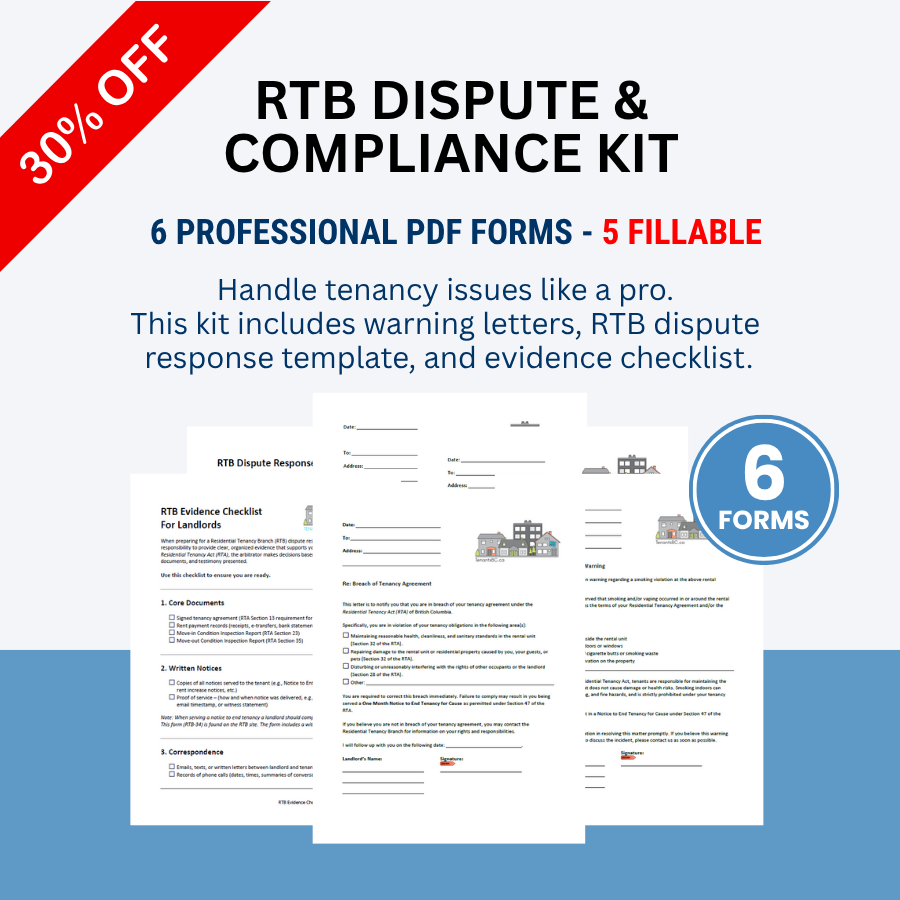
If there’s a repeat violation, you may issue a One-Month Notice to End Tenancy for Cause, under Section 47 of the Residential Tenancy Act. This should only be used if the tenant’s behaviour clearly interferes with your legal rights or the rights of others.
Want the Property Vacant Before Selling?
While it’s understandable to want a clean slate for selling, tenants are not legally required to move out just because the property is being listed. If you prefer to sell the unit vacant, consider negotiating a Mutual Agreement to End Tenancy.
This approach requires:
-
Offering reasonable compensation (such as cash or a rent reduction) to help the tenant with relocation costs.
-
Providing sufficient time for the tenant to secure new housing—at least one to two months’ notice is recommended.
-
Ensuring that the agreement is signed and documented properly.
Important: If offering a financial incentive, do not pay it in advance. Instead, provide the payment on the day the tenant returns the keys and vacates the unit. This protects you from paying out in situations where the tenant does not leave as agreed.
Final Thoughts
Selling a tenanted property in British Columbia requires careful planning, clear communication, and a solid understanding of your legal responsibilities under the Residential Tenancy Act. While navigating tenant relationships can add complexity to the sale process, treating tenants with fairness and respect helps preserve goodwill—and could make the process smoother for all parties involved.
Need help with forms or notices? Refer to the official Residential Tenancy Branch for up-to-date documents and information.